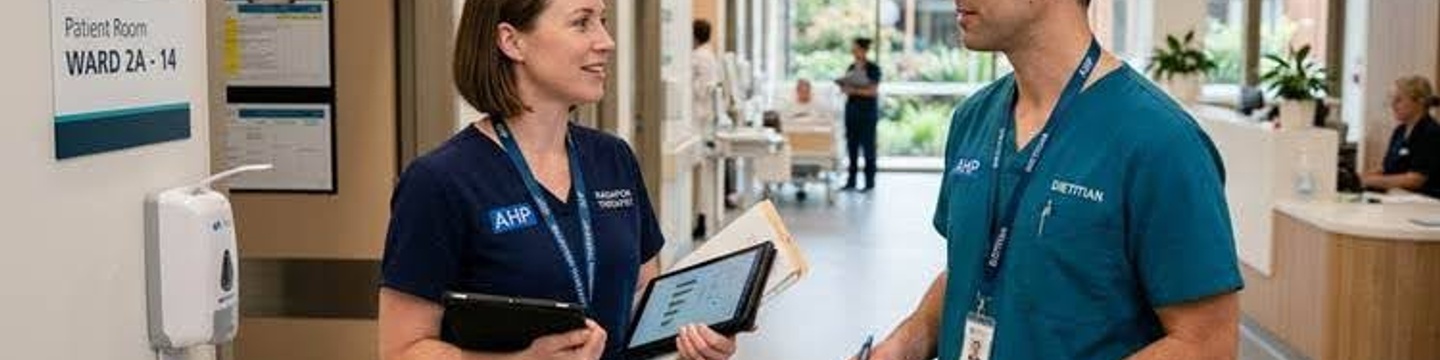
Allied health professionals play a critical role throughout cancer care in Australia, from diagnosis and treatment to rehabilitation and ongoing support. As cancer survival improves and the population ages, oncology allied health jobs are becoming increasingly important in multidisciplinary cancer services.
For occupational therapists, physiotherapists, social workers, radiation therapists, dietitians, and other allied health professionals, oncology offers opportunities to develop specialist skills while supporting patients at different stages of their cancer journey.
If you are considering a move into cancer care or looking for your next position, you can explore current allied health roles to see opportunities that match your profession, experience, and preferred location.
Why Is Demand Growing for Allied Health Professionals in Oncology?
Cancer care relies on professionals from medical, nursing, and allied health disciplines working together throughout diagnosis, treatment, rehabilitation, survivorship, and palliative care. Multidisciplinary care is recognised as an important part of cancer treatment and care in the Australian Cancer Plan.
Several factors are placing greater pressure on Australia's cancer workforce. An ageing population means more people are reaching ages where cancer risk increases, while advances in detection and treatment mean more patients are living longer following a cancer diagnosis.
This creates additional demand for rehabilitation, nutritional care, functional support, and psychosocial services during and after treatment. The Australian Cancer Plan also identifies the importance of strengthening multidisciplinary cancer care and building workforce capacity, including in rural and remote communities.
For candidates considering allied health careers in oncology, this means opportunities can extend beyond acute hospital treatment into rehabilitation, outpatient services, survivorship programmes, community care, and regional health services.
1. Occupational Therapists Support Independence During and After Treatment
Occupational therapists help patients manage the practical and functional effects of cancer and its treatment. Their work can include fatigue management, functional assessment, daily activities, rehabilitation, and support with returning to work or usual routines.
This role becomes particularly important when treatment affects a person's ability to manage everyday tasks independently. Occupational therapists can help patients adapt activities or environments to make daily life safer and more manageable.
Cancer survivorship also creates opportunities for occupational therapists to support people after active treatment has ended. Patients may need help managing ongoing fatigue, reduced function, changes in work capacity, or other long-term effects.
For professionals comparing allied health vacancies, oncology can offer a pathway that combines rehabilitation, problem-solving, and longer-term patient support.
2. Physiotherapists Have a Growing Role in Cancer Rehabilitation
Physiotherapists support mobility, strength, physical function, and recovery during and after cancer treatment. They may work with patients experiencing reduced range of motion, muscle weakness, lymphoedema, deconditioning, or other physical effects associated with surgery and treatment.
Opportunities can be found across inpatient wards, rehabilitation units, outpatient clinics, and community-based cancer services. Physiotherapists may work with patients during active treatment or support their recovery and return to everyday activity afterwards.
Exercise oncology is also developing as an area of cancer rehabilitation. This can create opportunities for physiotherapists interested in building more specialised knowledge around physical activity, treatment-related fatigue, function, and survivorship.
Demand is not limited to metropolitan cancer centres. Professionals interested in working outside major cities can also explore remote and regional opportunities, where access to specialist allied health services may be more limited.
3. Oncology Social Workers Provide Practical and Psychosocial Support
A cancer diagnosis can affect far more than a patient's physical health. Social workers support patients and families with the emotional, practical, social, and financial challenges that can accompany diagnosis and treatment.
Their work may include helping patients adjust to a diagnosis, connecting families with community or financial services, addressing transport and accommodation concerns, and coordinating support across different providers.
Social workers also collaborate with medical and nursing teams, including professionals working in oncology nurse jobs, to provide care that considers the wider circumstances affecting a patient.
For social workers interested in allied health careers within cancer services, oncology provides opportunities to combine counselling, advocacy, care coordination, and practical support for patients and their families.
4. Radiation Therapists Support Cancer Treatment Delivery
Radiation therapists are a core part of radiation oncology teams. They plan and deliver radiation treatments prescribed by radiation oncologists, using imaging and computerised planning systems to target tumours while limiting exposure to surrounding healthy tissue.
The role combines technical expertise with direct patient care. Radiation therapists work closely with radiation oncologists, medical physicists, nurses, and other health professionals throughout the treatment process.
As treatment techniques continue to develop, radiation therapists may also build expertise in areas such as advanced imaging, treatment planning, and personalised cancer treatment.
For professionals looking at allied health jobs in specialist cancer services, radiation therapy provides a career path that combines patient interaction, technology, and highly specialised clinical practice.
5. Oncology Dietitians Help Patients Maintain Nutrition
Cancer and its treatment can affect appetite, weight, swallowing, digestion, and a patient's ability to meet their nutritional needs. Oncology dietitians assess these challenges and develop nutrition strategies suited to the patient's condition, treatment, and stage of care.
Their work can involve supporting patients during chemotherapy or radiation therapy, managing treatment-related eating difficulties, and helping patients maintain strength during recovery.
Dietitians also work alongside medical, nursing, and allied health teams. Their involvement can continue beyond active treatment into rehabilitation and survivorship, depending on the patient's needs.
For dietitians exploring oncology allied health jobs, cancer care provides an opportunity to develop specialist clinical knowledge while working closely with patients whose nutritional requirements can change throughout treatment.
What Skills Can Help You Build an Allied Health Career in Oncology?
The pathway into oncology varies between professions. Some positions may require previous cancer-care experience or specialist training, while others may value transferable experience gained in acute care, rehabilitation, aged care, community health, or other clinical settings.
Communication is particularly important because allied health professionals often support people dealing with complex treatment decisions, physical changes, uncertainty, and emotional stress. Experience working within multidisciplinary teams can also be valuable.
Assessment, care planning, rehabilitation, patient education, and person-centred care skills can transfer well into cancer services. Professionals do not necessarily need to follow the same career path to enter the specialty.
Ongoing professional development also matters. Cancer treatment continues to evolve, and allied health professionals may need to build their knowledge of new therapies and their implications for nutrition, rehabilitation, physical function, and psychosocial care.
When considering allied health professionals jobs in oncology, review each position individually rather than assuming every cancer service requires the same experience or qualifications.
What Should Internationally Trained Professionals Consider?
Internationally trained allied health professionals can also explore cancer-care opportunities in Australia, but registration and qualification recognition requirements differ between professions.
A radiation therapist, for example, may follow a different registration pathway from a dietitian or social worker. Visa requirements also depend on the candidate's individual circumstances and the position being considered.
If you are planning a move, Medacs' information on living and working in Australia can help you prepare for relocation and working in the Australian healthcare system.
You can also review regulatory and visa support for information about registration and migration requirements.
For overseas professionals considering oncology allied health jobs, starting these processes early can help identify any documentation, assessments, registration requirements, or other steps that may need to be completed before starting work.
Where Could an Oncology Allied Health Career Take You?
Oncology offers allied health professionals several ways to develop specialist experience while contributing to multidisciplinary cancer care. Radiation therapy, dietetics, occupational therapy, physiotherapy, and social work each support different aspects of treatment, rehabilitation, and survivorship.
As Australia's cancer-care needs continue to change, allied health vacancies may be available across metropolitan hospitals, specialist cancer centres, rehabilitation services, community programmes, and regional settings.
The right position will depend on your profession, experience, preferred clinical environment, and longer-term career goals. Reviewing current opportunities can help you compare different settings and determine where your skills may be best suited.
You can browse all current vacancies to see available healthcare positions. If you know another allied health professional considering a career move, you can also refer a colleague through the Medacs referral programme.
FAQs
1. What allied health professionals work in oncology?
Cancer care can involve occupational therapists, physiotherapists, social workers, radiation therapists, dietitians, psychologists, and other allied health professionals. The exact team varies according to the cancer service, treatment, and individual patient needs.
2. Do I need previous oncology experience to apply for an allied health role?
Not necessarily, as requirements vary between professions and individual positions. Some employers may value transferable clinical skills, while specialist positions may require previous oncology experience or additional training.
3. Can internationally trained allied health professionals work in oncology in Australia?
Yes, subject to the registration, qualification recognition, and visa requirements that apply to the profession and individual candidate. Check the relevant Australian requirements early so you know what needs to be completed before applying or starting work.
4. Which oncology allied health roles are in demand in Australia?
Demand spans several disciplines, including occupational therapy, physiotherapy, social work, radiation therapy, and dietetics. Opportunities vary by location, healthcare service, and the specialist skills required.
5. Are there oncology allied health jobs in regional and remote Australia?
Yes, oncology and cancer-care opportunities can be available outside major metropolitan centres, including regional and remote healthcare services. These roles can give allied health professionals experience supporting communities with more limited access to specialist cancer care.