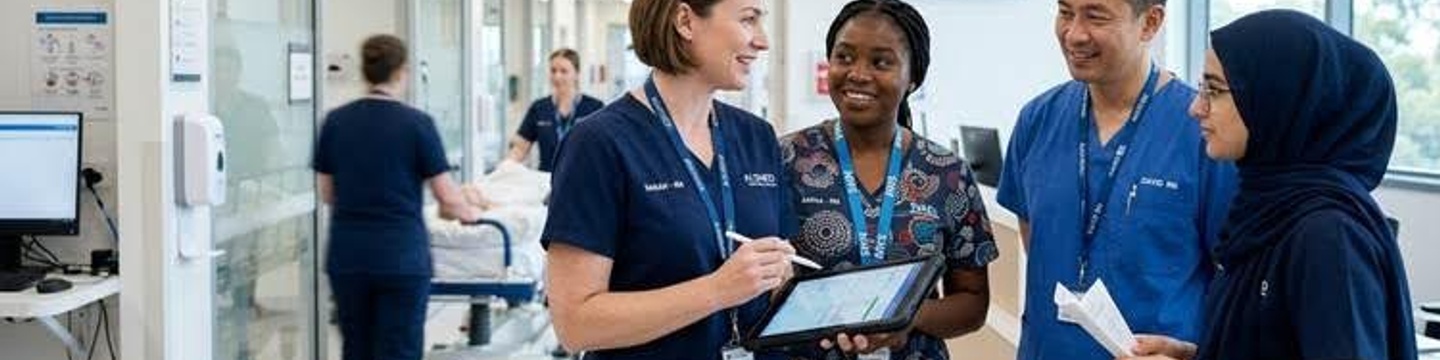
Australia's healthcare sector continues to create strong demand for qualified nurses across public hospitals, private healthcare providers, aged care services, and community settings. While opportunities remain plentiful, progressing into higher-paying or more specialised roles takes more than meeting registration requirements. Employers increasingly look for nurses who combine strong clinical ability with leadership, communication, adaptability, and a commitment to ongoing professional development.
Whether you're applying for registered nurse jobs in Australia or preparing to relocate as an internationally qualified nurse, developing the right skills can help you stand out in a competitive market. Here are nine of the most valuable skills that can strengthen your nursing career in Australia and expand your long-term career opportunities.
1. Strong Clinical Decision-Making
Clinical decision-making is one of the most important skills every nurse can develop. Every shift requires nurses to assess patients, recognise changes in their condition, prioritise care, and make timely decisions that support positive outcomes. Employers value nurses who remain calm under pressure, apply evidence-based practice, and make sound clinical judgements in fast-paced environments.
Strong clinical decision-making includes:
-
Conducting comprehensive patient assessments and recognising early signs of deterioration.
-
Prioritising care based on clinical urgency while managing multiple patients safely.
-
Applying current evidence-based guidelines to support treatment decisions.
-
Documenting assessments and clinical reasoning clearly to maintain continuity of care between shifts.
Building confidence in clinical judgement not only improves patient outcomes but also demonstrates your readiness for more senior responsibilities and specialised nursing roles.
2. Excellent Communication Skills
Communication sits at the centre of safe, high-quality patient care. Nurses communicate with patients, families, doctors, allied health professionals, and colleagues throughout every shift, making this one of the most valuable skills employers assess during recruitment.
Clear communication reduces misunderstandings, strengthens teamwork, and helps patients feel informed and supported throughout their care.
Key communication skills include:
-
Explaining treatments, procedures, and care plans in clear, straightforward language.
-
Listening actively to patients and responding with empathy and professionalism.
-
Delivering structured clinical handovers that accurately communicate essential information.
-
Maintaining clear, accurate documentation in electronic medical records.
-
Communicating respectfully with people from diverse cultural and linguistic backgrounds.
Strong communication also contributes to better patient safety by reducing errors during handovers and improving collaboration across multidisciplinary teams.
3. Leadership and Team Management
Leadership is not limited to nurse managers or clinical leaders. Every nurse has opportunities to lead by supporting colleagues, mentoring junior staff, coordinating patient care, and contributing to a positive workplace culture.
Taking initiative, remaining accountable, and supporting colleagues are qualities that strengthen professional reputation.
Examples of leadership in nursing include:
-
Mentoring graduate nurses and nursing students.
-
Delegating tasks appropriately while supporting less experienced team members.
-
Contributing to quality improvement initiatives and patient safety programs.
-
Resolving workplace challenges professionally and collaboratively.
-
Leading by example through strong clinical practice and professional conduct.
Developing leadership skills early can create pathways into senior clinical, education, and management positions as your career progresses.
4. Adaptability Across Healthcare Settings
Australia's healthcare system offers diverse career opportunities across metropolitan hospitals, regional health services, private hospitals, aged care facilities, community health, and remote healthcare settings. Nurses who adapt quickly to different workplaces, patient populations, and clinical protocols are highly valued because they can contribute effectively from the outset.
Adaptability also creates opportunities to broaden your experience across multiple specialties, preparing you for a wider range of nursing roles.
You can strengthen this skill by:
-
Working across different clinical specialties and healthcare settings.
-
Becoming familiar with new workplace procedures and clinical systems.
-
Remaining flexible during changing workloads and staffing requirements.
-
Taking rural, regional, or contract placements to expand your experience.
Nurses interested in expanding their clinical expertise may also choose to broaden into allied health where appropriate to their qualifications and long-term career goals.
5. Digital Healthcare Technology Skills
Technology now plays a central role in modern nursing practice. Electronic medical records, medication management systems, telehealth services, and digital monitoring equipment have become standard across many Australian healthcare organisations.
Nurses who are confident using healthcare technology often adapt more quickly to new workplaces, improve documentation accuracy, and contribute to more efficient patient care.
Important digital skills include:
-
Using electronic health record systems accurately and efficiently.
-
Completing digital clinical documentation that supports safe patient care.
-
Participating in telehealth consultations where appropriate.
-
Learning new clinical software, monitoring equipment, and digital workflows.
-
Protecting patient information by following privacy, confidentiality, and cybersecurity requirements.
Digital literacy continues to grow in importance as healthcare services adopt new technologies to improve patient outcomes and streamline clinical practice.
6. Specialist Clinical Expertise
Developing specialist clinical expertise is one of the most effective ways to progress your nursing career in Australia. While general nursing skills remain essential, employers often seek nurses with advanced knowledge in high-demand specialties where experienced professionals are in short supply.
Areas with strong demand include intensive care, emergency nursing, perioperative services, oncology, renal care, paediatrics, and community nursing. Building expertise in one of these fields can lead to greater career progression, higher salaries, and access to more specialised nursing job opportunities.
Ways to develop specialist expertise include:
-
Completing postgraduate qualifications relevant to your chosen specialty.
-
Undertaking advanced clinical training and certification programs.
-
Seeking mentorship from experienced specialists.
-
Gaining experience in high-acuity clinical environments.
Aged care also continues to be one of Australia's fastest-growing healthcare sectors. Nurses looking to expand their career options can explore roles in aged care nursing while developing valuable experience supporting Australia's ageing population.
7. Mental Health Nursing Expertise
Mental health has become an increasingly important part of healthcare across Australia. As demand for mental health services continues to grow, nurses with mental health knowledge are highly valued in hospitals, community services, emergency departments, correctional healthcare, and primary care settings.
Even nurses who do not work exclusively in mental health regularly care for patients experiencing anxiety, depression, trauma, dementia, substance use disorders, or behavioural challenges. Developing these skills strengthens your ability to provide holistic, patient-centred care across almost every clinical setting.
Valuable mental health skills include:
-
Therapeutic communication.
-
Trauma-informed care.
-
De-escalation techniques.
-
Mental health assessment.
-
Crisis intervention and behavioural support.
For nurses looking to specialise, there are excellent opportunities to specialise in mental health nursing while building expertise in one of Australia's fastest-growing nursing specialties.
8. Commitment to Continuous Professional Development
Healthcare continues to evolve as new treatments, technologies, and clinical guidelines emerge. Maintaining your knowledge and developing new skills is essential for providing high-quality patient care and remaining competitive in today's employment market.
Continuous Professional Development (CPD) also supports your ongoing AHPRA registration while demonstrating your commitment to professional excellence.
Professional development may include:
-
Completing mandatory CPD requirements.
-
Undertaking postgraduate study.
-
Attending conferences, workshops, and professional seminars.
-
Completing additional certifications relevant to your specialty.
-
Keeping current with evidence-based practice and emerging healthcare trends.
Internationally qualified nurses preparing to relocate can further strengthen their applications by continuing their professional development before applying for international nursing opportunities in Australia.
9. Long-Term Career Planning
Successful nurses don't simply wait for career opportunities to appear—they actively plan their professional development and identify pathways that align with their long-term goals. Having a clear career plan can help you gain the right experience, pursue relevant qualifications, and position yourself for future advancement.
Working with a specialist recruiter can also help you identify opportunities that match your experience, preferred location, and career aspirations. In addition to providing access to suitable vacancies, recruiters can offer advice on CV preparation, interview techniques, and current hiring trends across Australia's healthcare sector.
Practical ways to support your long-term career growth include:
-
Setting short-term and long-term professional goals.
-
Seeking guidance from experienced mentors and clinical leaders.
-
Building a strong professional network.
-
Updating your CV and professional credentials regularly.
-
Partnering with a specialist nursing recruitment agency Australia professionals trust for career advice and access to exclusive opportunities.
Taking a proactive approach to career planning helps you build a rewarding and sustainable nursing career.
Build the Skills That Employers Value
Building a successful nursing career in Australia involves more than gaining clinical experience. Employers increasingly look for nurses who demonstrate strong communication, sound clinical judgement, leadership, adaptability, digital confidence, specialist expertise, and a commitment to lifelong learning.
Whether you're applying for registered nurse jobs, looking to specialise, or planning an international move, investing in these skills can improve your employability and open the door to a wider range of nursing job opportunities.
Ready to take the next step? Explore current nursing roles in Australia and discover opportunities that match your skills, experience, and career goals.
FAQs
1. Which skills are most important for building a nursing career in Australia?
Strong clinical decision-making, communication, leadership, adaptability, digital literacy, and specialist expertise are highly valued by employers. Ongoing professional development also helps nurses remain competitive as healthcare continues to evolve.
2. What nursing specialties are currently in high demand in Australia?
Emergency, intensive care, mental health, aged care, perioperative services, oncology, and community health continue to experience strong demand. Developing expertise in these areas can lead to more specialised nursing job opportunities and career progression.
3. How can I progress into higher-paying registered nurse jobs?
Building clinical experience, developing leadership skills, and completing postgraduate qualifications can help you progress into more senior roles. Specialising in a high-demand area may also improve your earning potential and expand your career options.
4. Can international nurses build a successful nursing career in Australia?
Yes, internationally qualified nurses can build rewarding careers after meeting Australia's registration, English language, and visa requirements. Demonstrating relevant clinical experience and ongoing professional development can strengthen your application with employers.
5. Should I work with a nursing recruitment agency in Australia?
A specialist nursing recruitment agency can connect you with roles that match your skills, experience, and career goals. They can also provide guidance on your CV, interview preparation, and current hiring trends.